
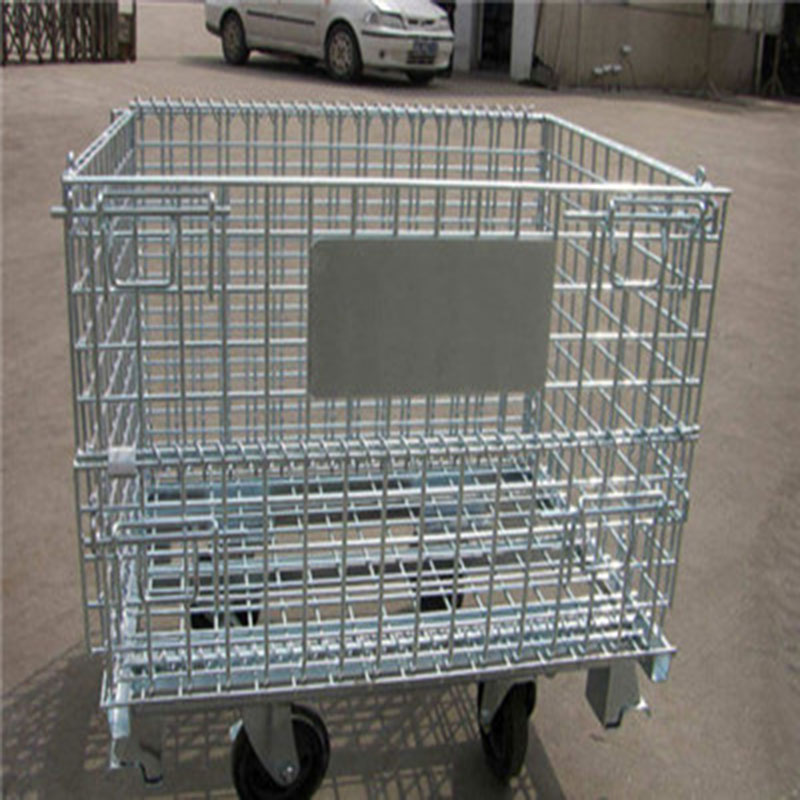
The caster-equipped foldable cage folds flat when idle and rolls on four casters, usually two swivel and two braked rigid wheels, so one person moves it alone. The steel frame is cold-hardened welded with a U-channel bottom reinforcement, and the cage stacks four layers high for dense storage.
Read More →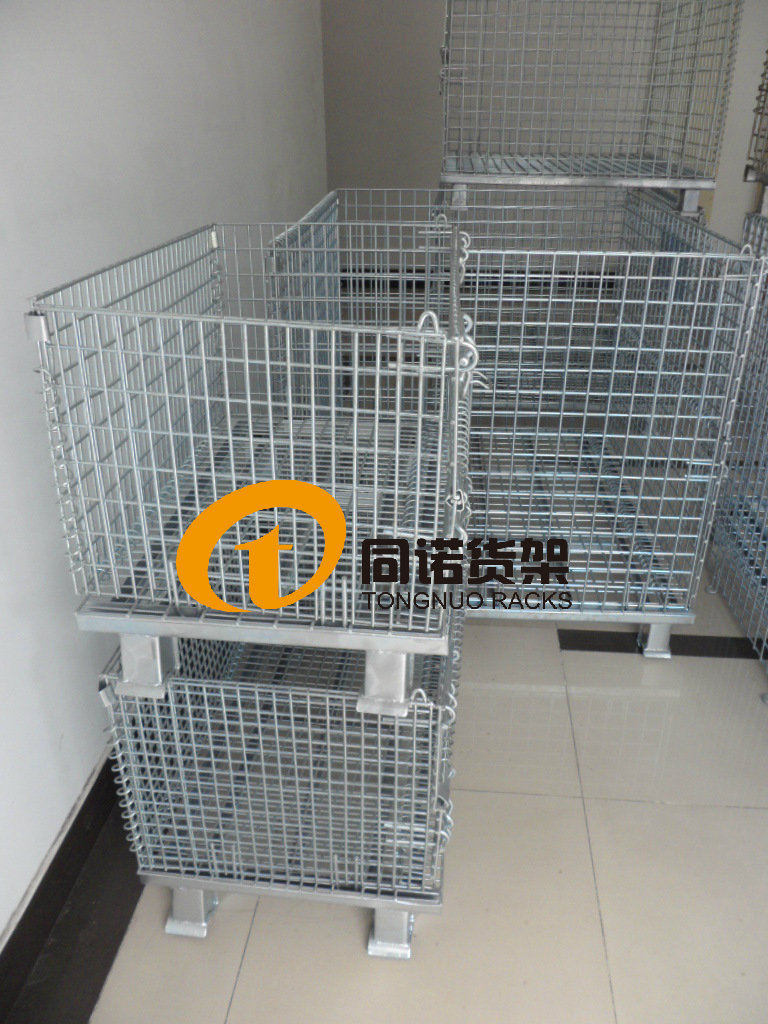
Without special requirements, cages ship cold-galvanized, but hot-dip galvanized cages are the special-order choice for damp or corrosive settings. Hot-dip treatment resists moisture and rust far better and extends service life; choose it for outdoors, basements, coastal humidity, or long ocean shipping.
Read More →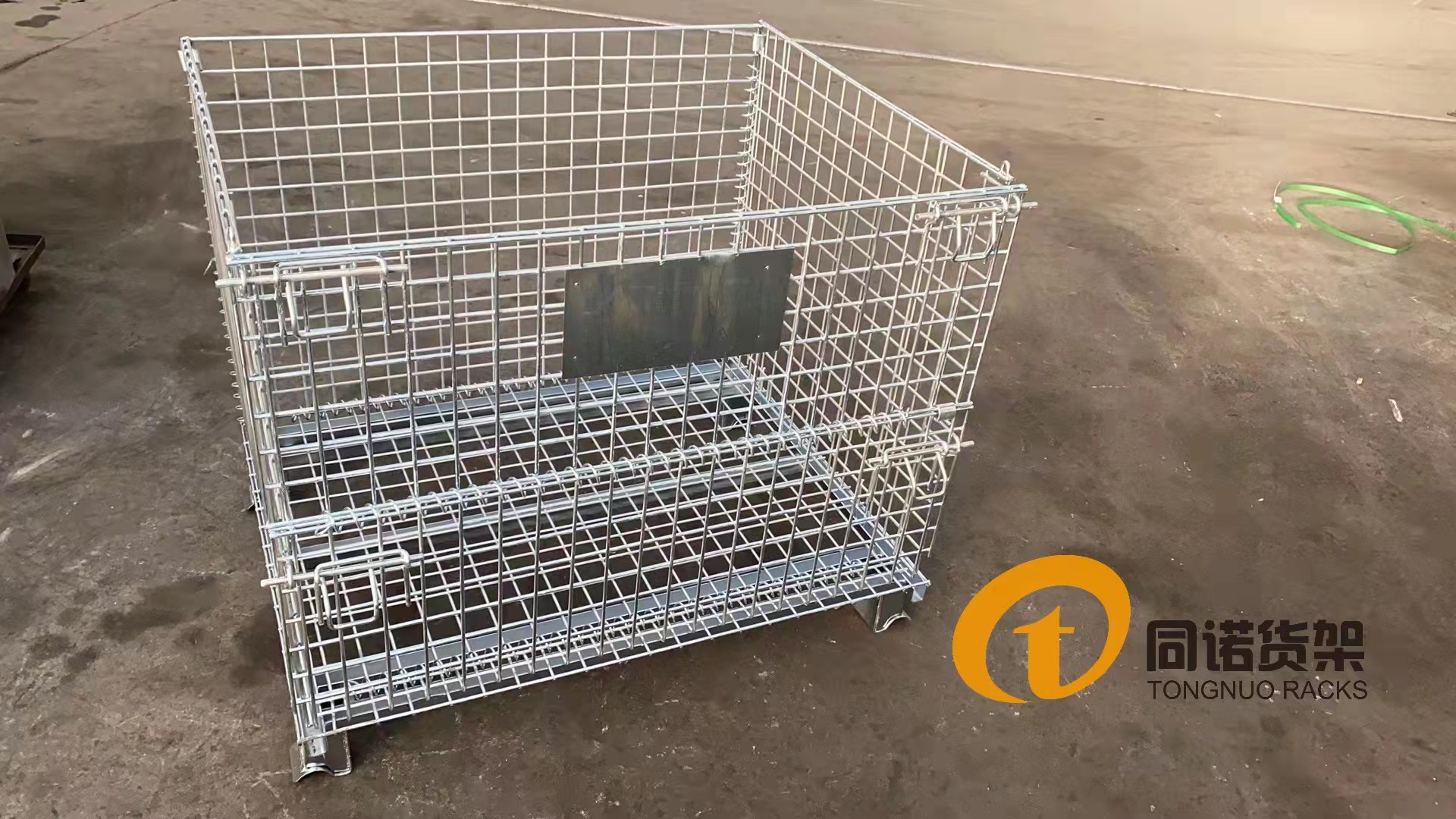
The Meigu cage is the warehouse cage under a regional sales name, not a separate product category. It pairs a U-channel steel bottom with mesh panels, normally cold-galvanized, in the A-3, A-5, and A-7 sizes. Xintongnuo defaults to cold galvanizing and offers hot-dip or powder coating and non-standard builds.
Read More →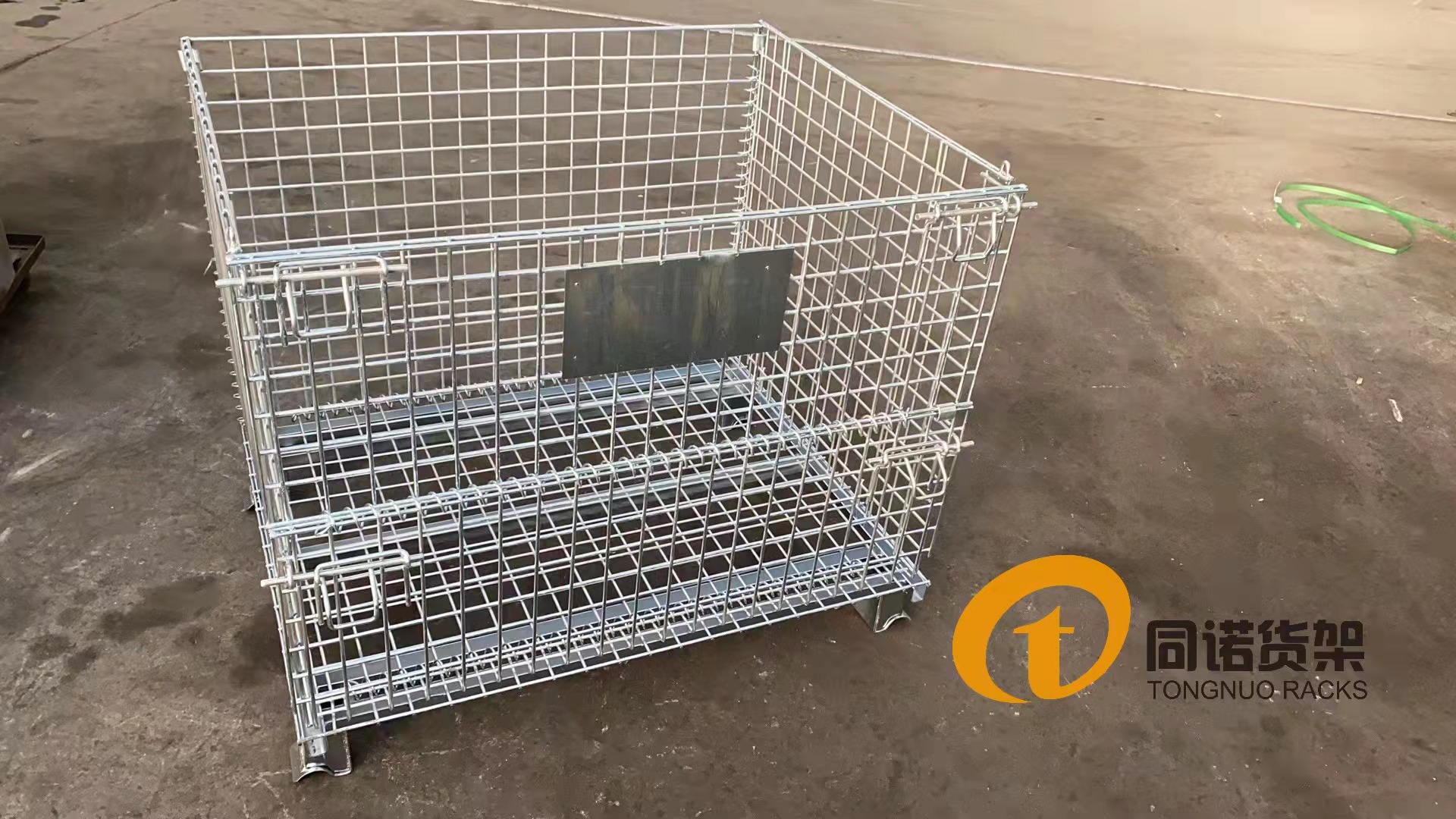
The 1-meter foldable warehouse cage mainly refers to the A-5, measuring 1000*800*840mm, with loads from 500 kg to 1500 kg depending on the bottom channel and wire diameter. It is normally cold-galvanized, with powder coating or hot-dip available, and thinner wire saves cost on light loads.
Read More →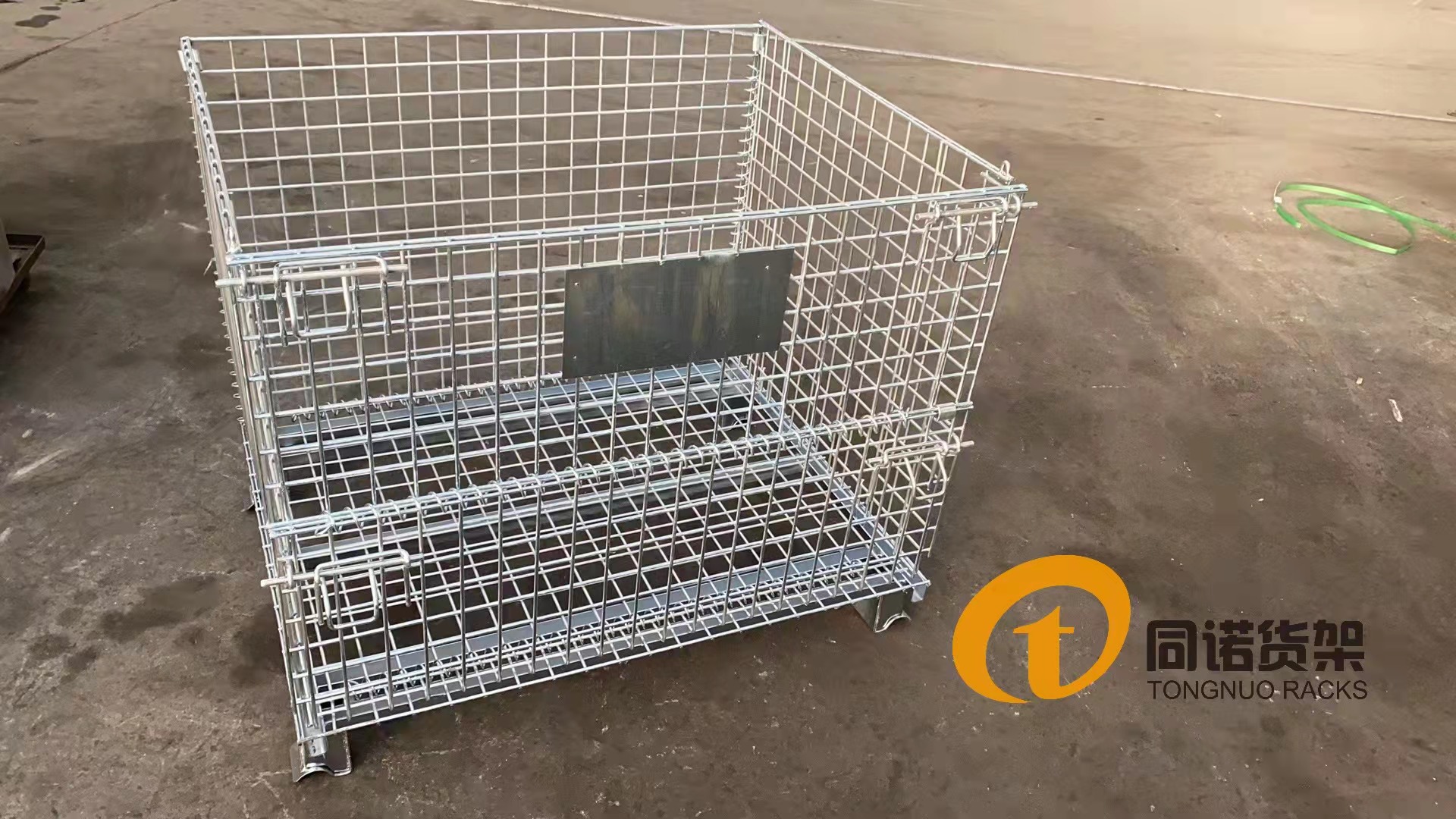
The foldable storage cage has a uniform capacity for dense storage of irregular materials, stacks four layers, and carries 0.8T to 2.5T by model. Empty cages fold flat, the door opens without unpacking the stack, and forklifts, cranes, and pallet trucks handle it, making it easy to manage.
Read More →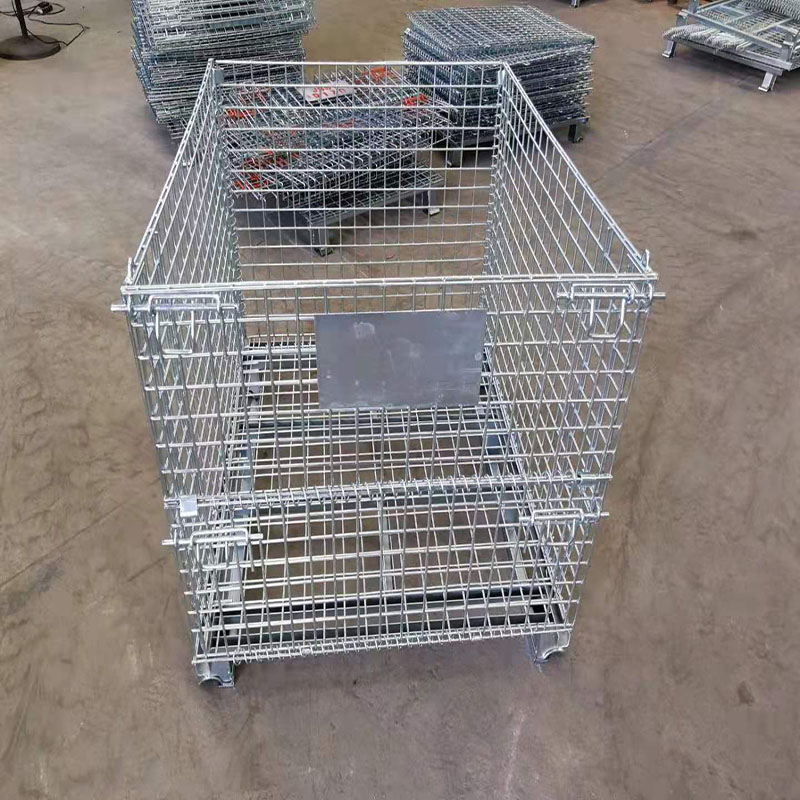
Choosing a cage follows three steps: match the load to goods weight, decide single-layer versus multi-layer stacking, and prefer the foldable version to cut empty-cage space. Heavy goods suit metal or heavy-duty cages and tote boxes; loads run 800kg to 2 tons and stack three to four layers.
Read More →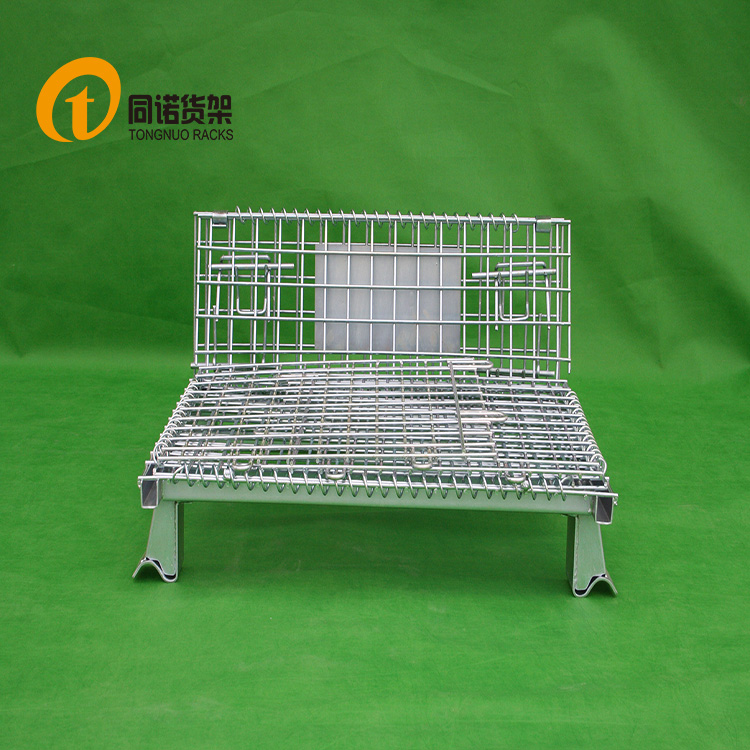
Specifying a custom cage covers three dimensions: outer dimensions and mesh from 50*50 to 100*100, then wire diameter from 4.5mm to 6.4mm and surface treatment such as powder coating or hot-dip galvanizing, then doors, towing attachments, label bars, and three-to-five-layer stacking for vertical space.
Read More →