
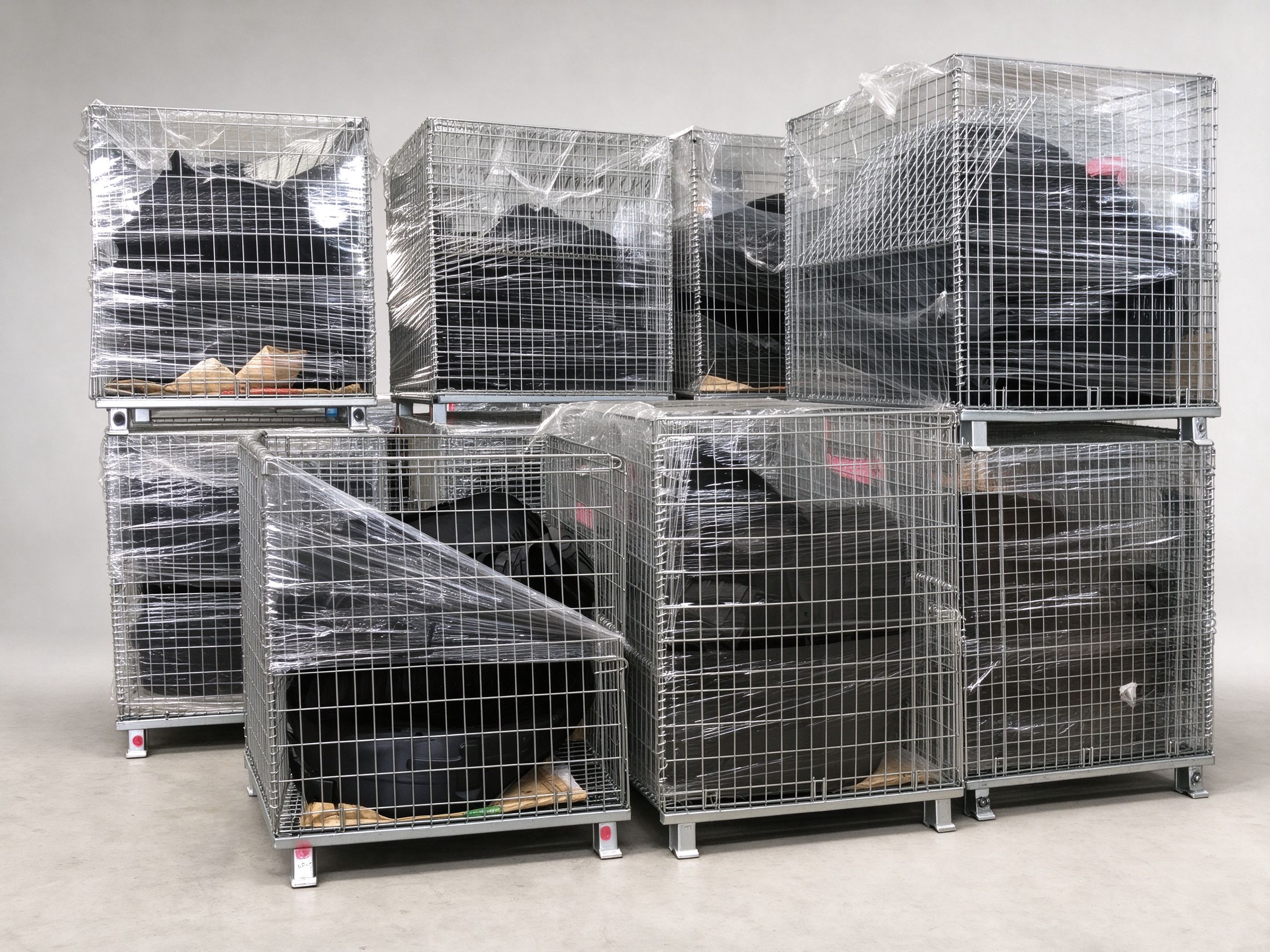
Auto-parts workshops handle many part types and fast turnover. Foldable, stackable warehouse cages that pair with forklifts and pallet trucks are a common choice for in-plant turnover and storage. Select by size, load, stacking and transfer method.
Read More →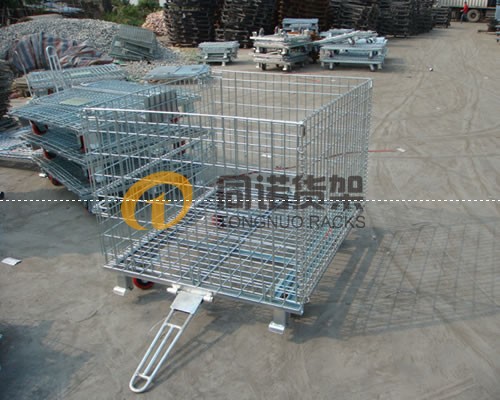
Warehouse cages are workstation equipment that must pair with hand pallet trucks, forklifts, stackers, and towing vehicles. To match different handling gear, cages get targeted detail changes: standard pairing works as-is, foot cups extend to 130 mm for hand stackers, and towing attachments plus caster wheels let a tractor pull cages in trains across the workshop.
Read More →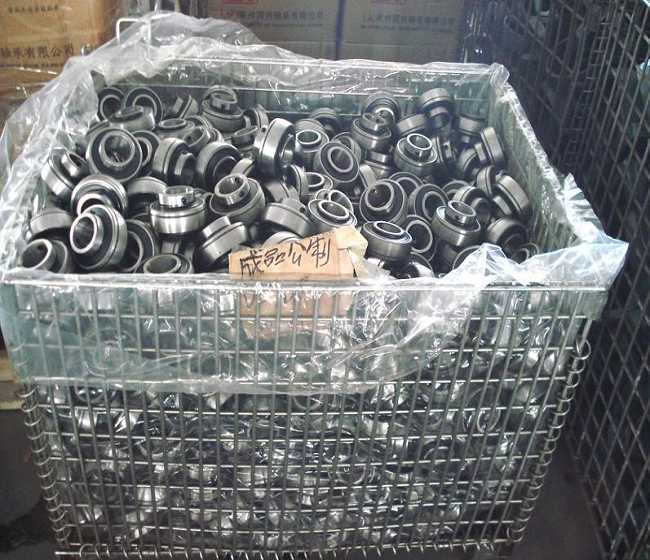
Warehouse cages come in metal, foldable, rack, turnover, mobile, export, supermarket, and in-plant types. They store raw materials, semi-finished goods, and finished products for storage, sorting, transport, and turnover across the whole logistics chain. Xintongnuo's cages offer uniform specs, strong welded steel, flexible use, four-to-five-layer stacking, and a foldable structure that saves empty-space and back-haul cost.
Read More →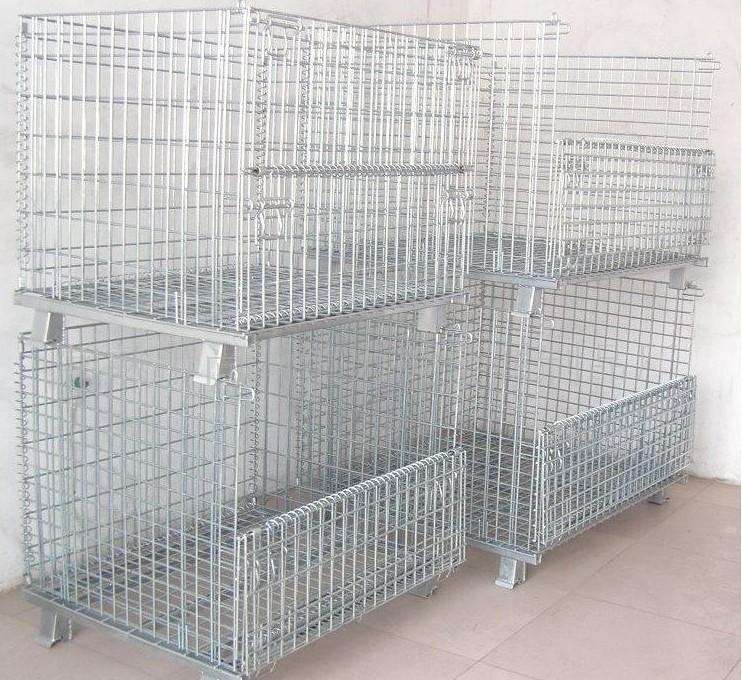
A cage specification table reflects four decisions: structure, materials, accessories, and customization. Cages are spot-welded cold-drawn mesh on a U-channel bottom, fold flat when idle, take PVC liners or casters, and custom sizes handle oversized, heavy, or racked duty. Nanjing Tongnuo designs non-standard cages to your working conditions after years of experience.
Read More →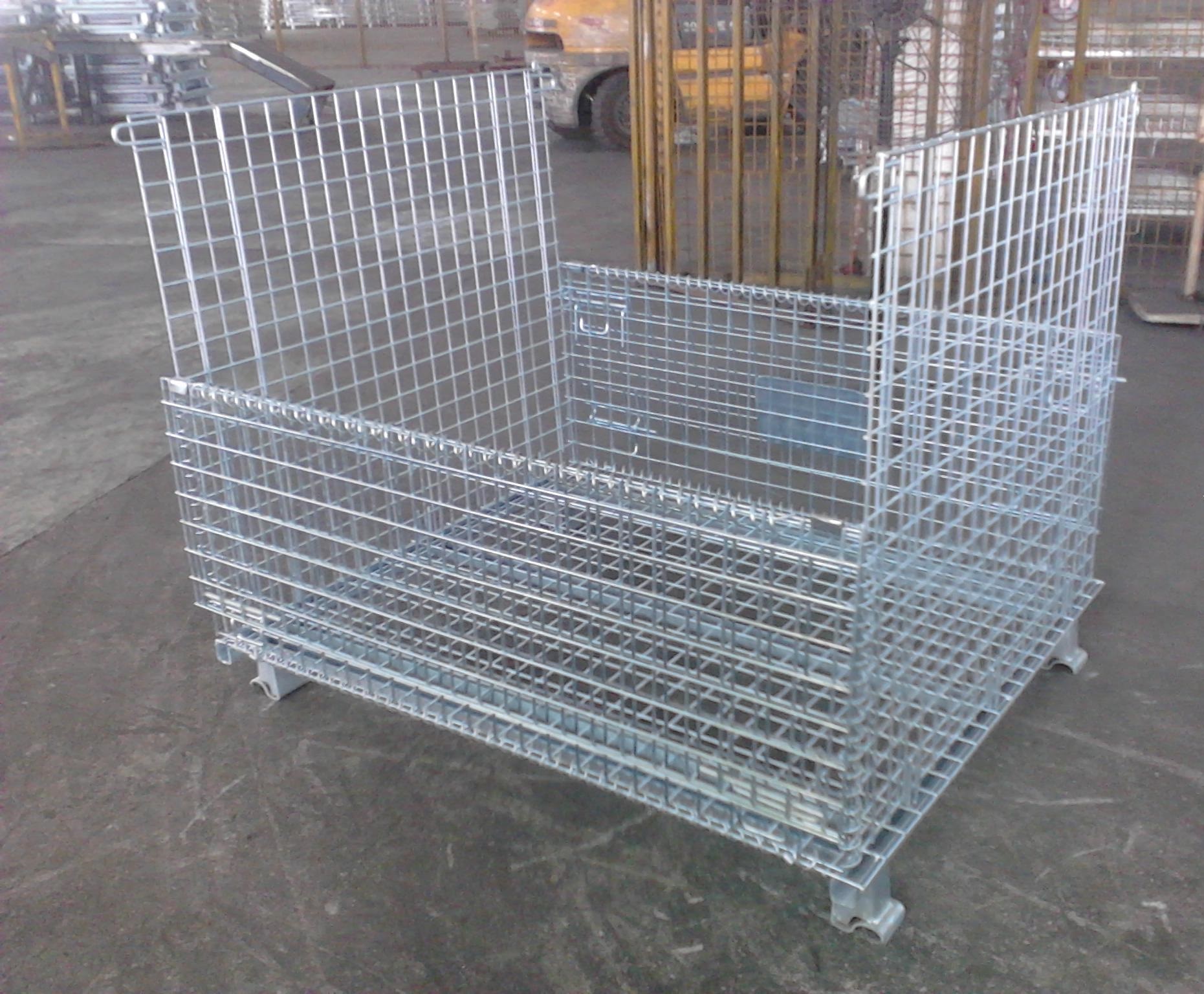
Double-door cages open front and back for workstations arranged in rows where staff pick from both sides, a clear efficiency gain over single-door cages. The trade-off is that an open door blocks stacking, because the stacking feet press above it. These cages suit single-layer, two-side picking and are not for multi-layer stacks; settle this before selection.
Read More →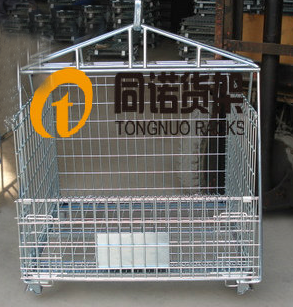
Workshops without forklift aisles but with an overhead crane cannot use a standard cage. Lifting-lug cages weld lugs to the bottom so the crane hook hoists and seats the whole cage directly. They need no forklift or wide aisle, but hoisting is slower than forklift work, suiting heavy, infrequent moves rather than daily high-frequency turnover.
Read More →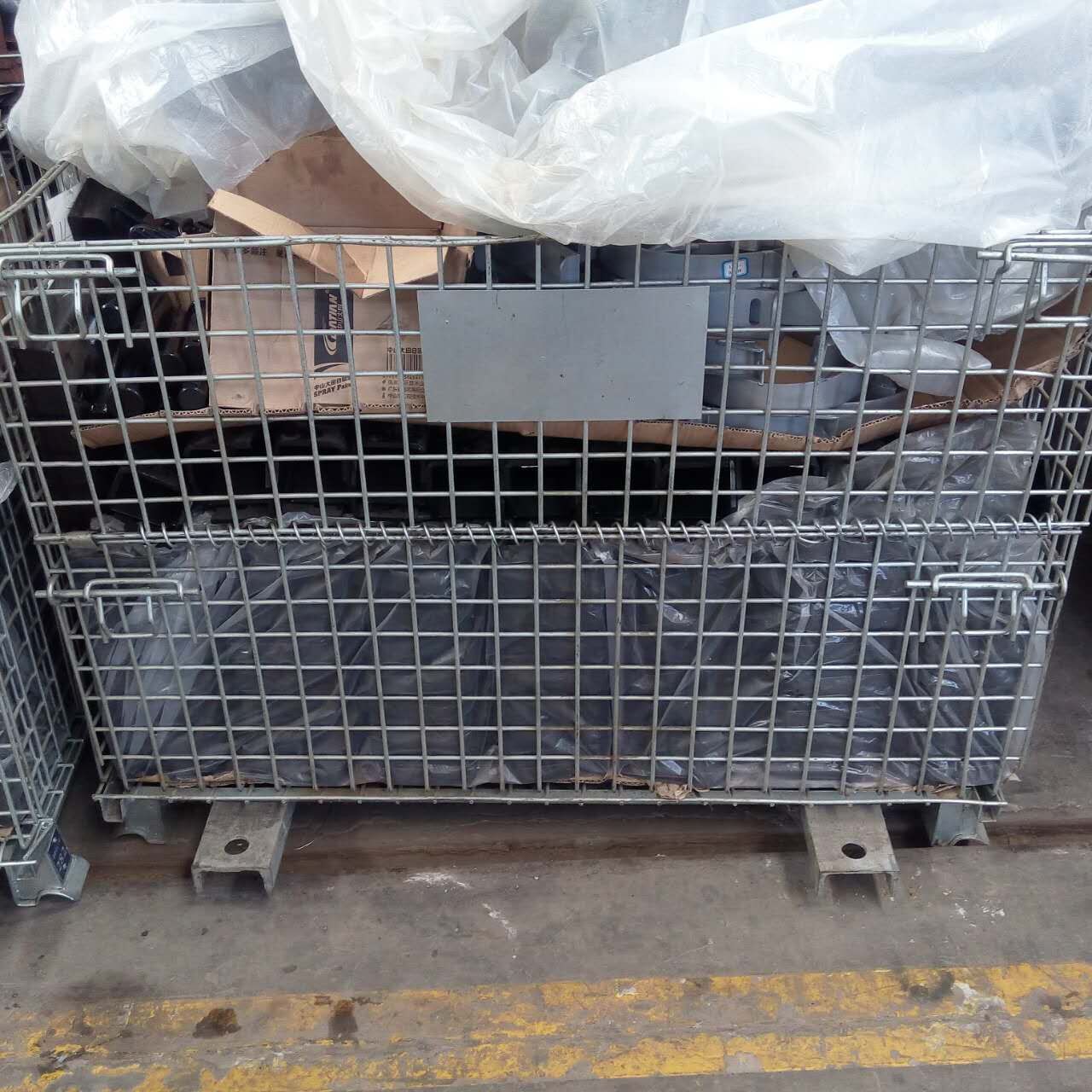
A channel-steel-bottom cage adds a 10# channel below the bottom. The extension guides forklift forks in for accurate positioning, and the full bar spreads hoisting load more evenly than welded lugs, raising the safety margin. It costs more than lug cages but suits workshops needing both frequent forklift moves and occasional crane hoisting.
Read More →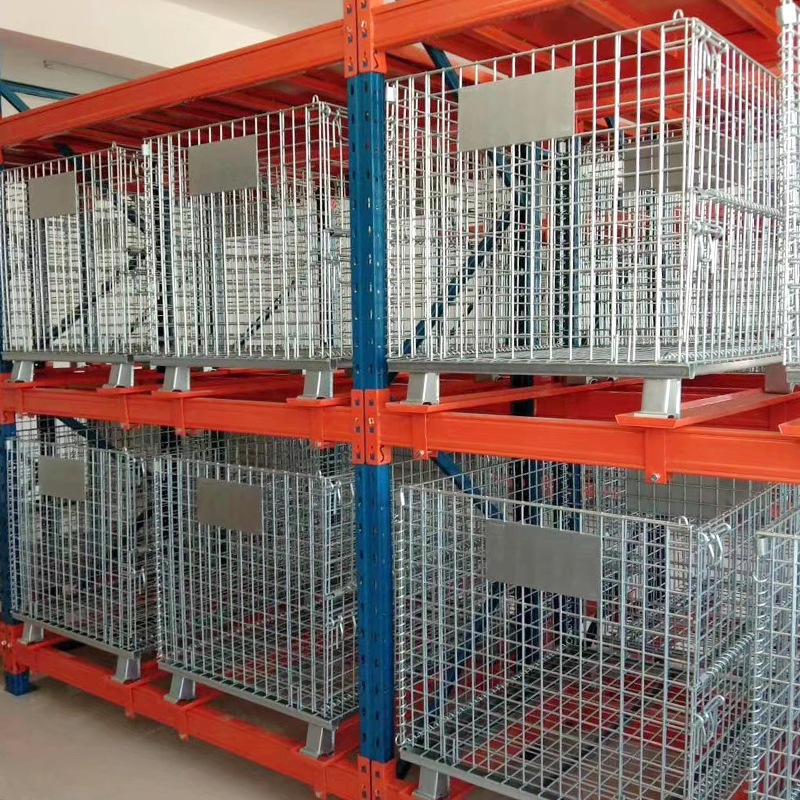
Rectangular-tube cages, also called rack cages, are built for beam-type pallet racks. Standard stacking feet give a small, shaky contact on rack beams, so these cages swap feet for long rectangular tubes that sit fully on the beam, spreading the load wide and seating firmly. Send rack-beam spacing and cage outer dimensions; we match the feet to your rack.
Read More →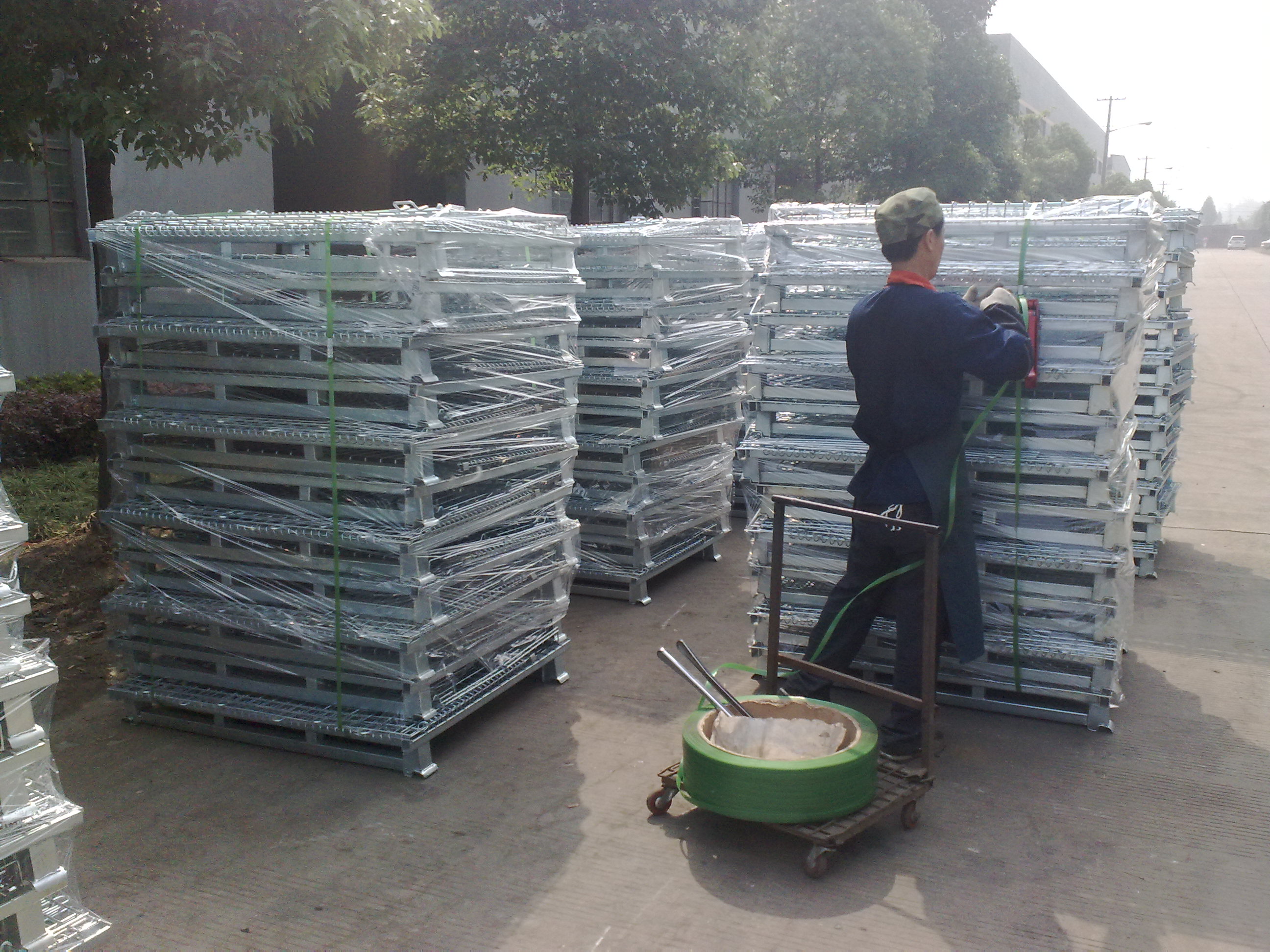
Cage price stacks from four factors. Dimensions move steel use, e.g. 800×600×640 versus 1200×1000×890; load requirements drive wire diameter (5.8 to 6.2 mm) and channel thickness (1.8 to 2.5 mm); accessories like stacking feet, towing, casters, and liners each add cost; and non-standard work needs new tooling. Send these and Xintongnuo quotes raw material and manufacturing fairly.
Read More →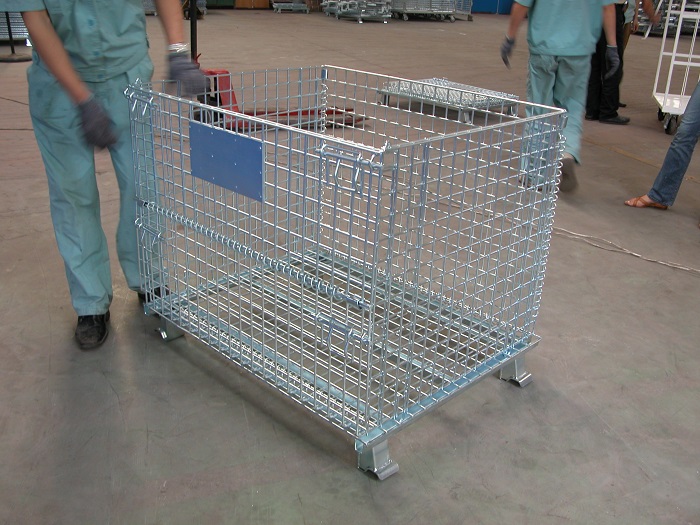
Cold galvanizing is the default finish and suits ordinary workshops. Hot-dip galvanizing gives a thick, corrosion-resistant coating worth the extra cost in damp rooms, cold storage, and outdoor yards. Electro-galvanizing is the same cold process. Powder coating and paint baking only come on color or display requests, such as matching workshop colors or supermarket display containers. Choose finish by environment.
Read More →